27 July 2026
Textured and Stucco Wall Finishes in Singapore
Table of Contents
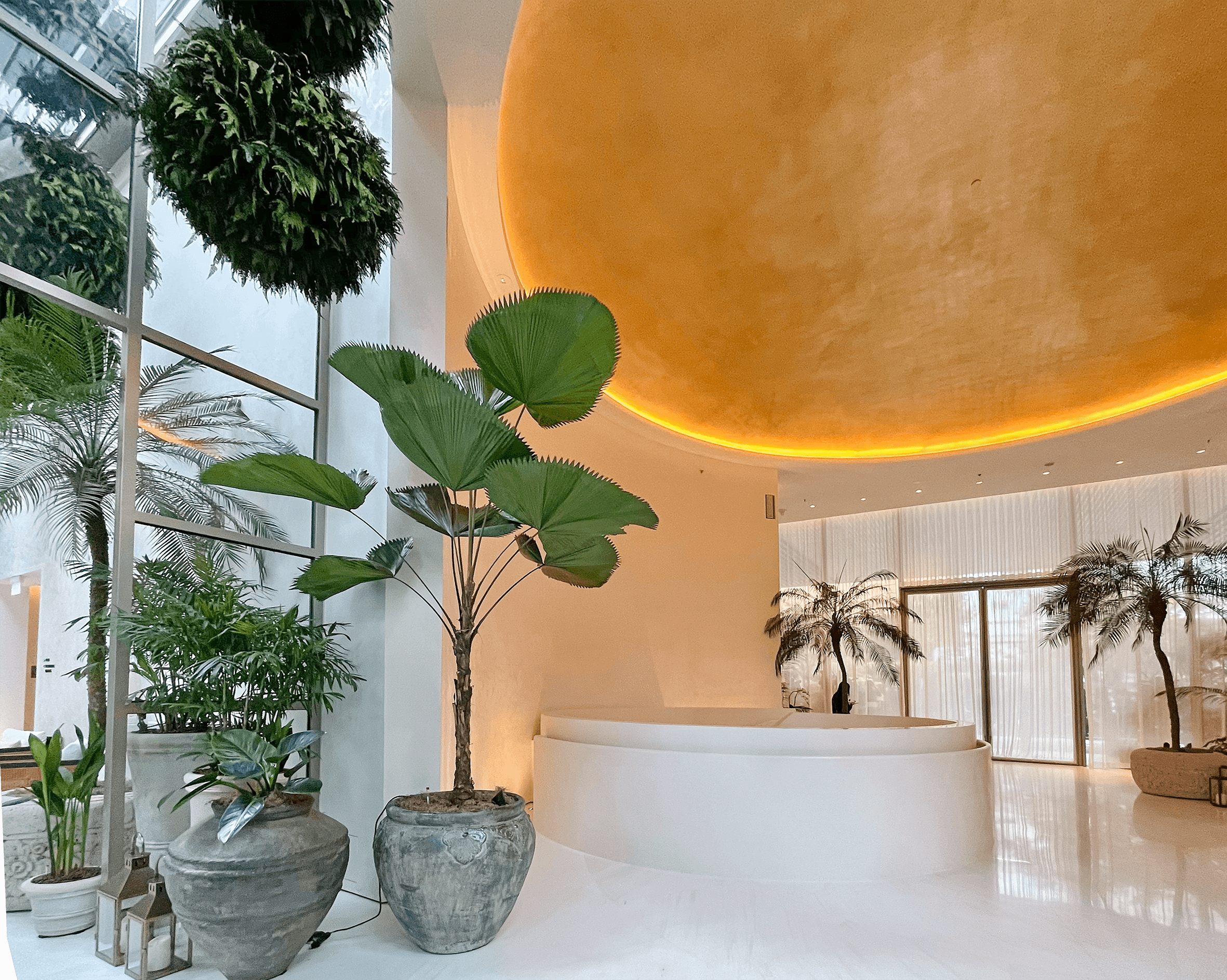
Flat white walls are the default in Singapore. That is precisely why they say nothing. Textured and stucco wall finishes give a wall depth and shadow that paint alone cannot, and in Singapore they are specified as hand-applied mineral plasters, not the spray-on "popcorn" textures of decades past. The difference between the two is worth understanding before you commit a feature wall, a lobby or an entire restaurant to one.
This guide explains the main types of textured finish, where traditional stucco fits in, and how to decide between textured paint and textured plaster. The finishes discussed here are drawn from Prospec's decorative wall finishes range, hand-applied by trained applicators across hotels, retail and residential projects in Singapore.
Key Takeaways
-
Textured wall finishes span a wide spectrum, from lightly brushed decorative paint to sculptural hand-trowelled plaster with several millimetres of build.
-
Modern stucco wall finishes are lime and marble based plasters. Armourcoat's are made from slaked lime and crushed marble and manufactured in the UK (Armourcoat).
-
Plaster finishes cost more than textured paint but carry their colour and texture through the material, so they wear and age far better in high-traffic spaces.
What Counts as a Textured Wall Finish?
Any finish that breaks up a flat painted surface qualifies, but in practice specifiers in Singapore are choosing between three families.
Decorative and special paint. Limewash, mineral-based and brushed-effect paints add soft movement to a wall while staying thin. They apply like conventional paint, which keeps cost and programme down.
Textured plaster. Hand-applied lime and marble plasters built up in coats, then trowelled, combed or burnished into the final surface. A typical build-up runs between 1mm and 4mm (Armourcoat), applied over a primed substrate by a trained applicator.
Sculptural surfaces. Cast or carved relief work for statement walls. This is a specialised category of its own and sits outside most fit-out budgets, but it shares the same mineral chemistry.
The middle category does most of the work in commercial interiors. It is durable enough for a hotel corridor, refined enough for a flagship boutique, and every wall is genuinely unique because a person made it by hand.
Stucco, Then and Now
Stucco has meant different things in different centuries. The word covers everything from external render on Mediterranean houses to the fine internal plasterwork of Venetian palazzos.
When Singapore designers ask for a stucco wall today, they almost always mean the interior kind: a mineral plaster with visible texture and natural tonal variation. The materials are the same ones used for centuries, slaked lime and crushed marble, now formulated for consistency and hardness.
That heritage matters for more than romance. Lime-based plasters are breathable and inherently alkaline, and they avoid the plastic sheen that synthetic textured coatings can develop. For an alternative with a softer, clay-based character, a clay lime plaster achieves a similar honesty of material with a more matt, earthen look.
The Textured Plaster Range
Texture is not one look. These are the four directions we specify most often in Singapore projects.
Concrete effect
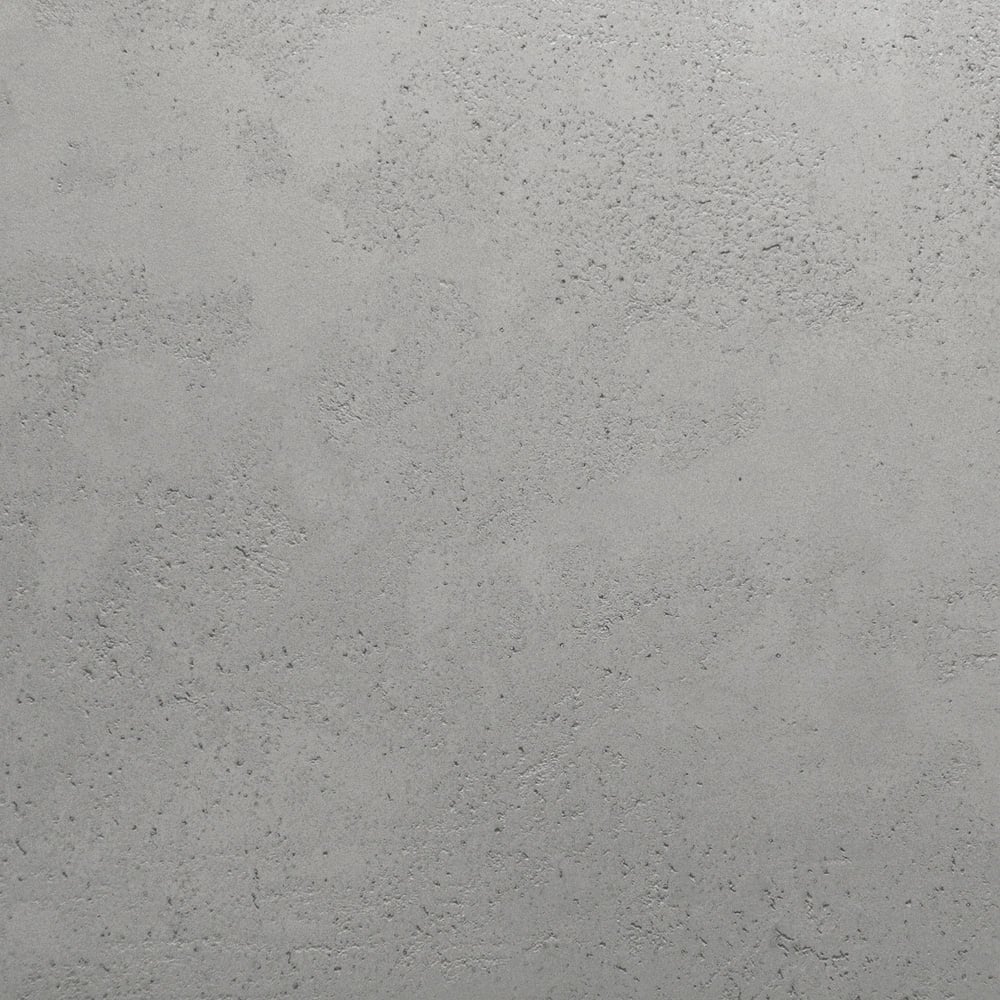
Koncrete Textured replicates raw, exposed concrete with a coarse, granular surface. Unlike poured concrete it is hand-applied to any substrate, including curved walls and ceilings, and it comes in a palette that runs from cool greys to warm earth tones. It suits F&B and retail interiors chasing an industrial character without the weight or cost of the real thing.
Layered and directional
Spatulata builds its surface from overlapping spatula strokes, smooth to the touch but visually dynamic as light moves across it. Striated takes a more controlled approach, drawing fine parallel lines through the wet plaster for a rhythm that references combed wood and brushed metal. Both reward long, well-lit walls where the texture can actually be read.
Stone effect
Travertine plaster recreates the pitted, cellular surface of the natural stone, warm tones included, without the weight or sealing regime of stone slabs. It is a common choice for hotel lobbies and lift cores where real travertine would be impractical.
Pearlescent and fine texture
Not every textured wall should be bold. Finishes such as Perlata carry a fine shimmer and subtle relief that read as texture only up close. These work well in residential projects where the client wants interest without a statement.
Textured Paint or Textured Plaster?
This is the budget conversation, so here is the honest answer.
Textured paint and special paint systems are the right call when the programme is tight, the substrate is sound, and the wall is decorative rather than hard-working. Prospec's architectural paint and limewash options cover this ground, and a skilled painter can achieve real depth with them.
Specify plaster instead when any of these apply:
-
The wall takes traffic, trolleys or shoulder contact. Plaster carries its colour through the material, so a scuff does not expose white substrate the way a chipped paint film does.
-
The design depends on relief you can see from an angle. Paint tops out at about a millimetre of texture. Plaster builds to 4mm.
-
The space is humid or hard-used. Burnished and sealed lime plasters shrug off conditions that soften and stain paint films.
One caution from experience: never choose either from a photograph. Texture is a physical property. Ask for a sample panel, view it under the project's actual lighting, and touch it.
Specifying for Singapore Interiors
Singapore's climate is the first constraint. Mean relative humidity here sits around 84 per cent (Meteorological Service Singapore), which punishes coatings that trap moisture. Breathable mineral plasters handle this well, but the substrate still has to be dry and properly primed before application. Allow for this in the programme rather than discovering it on site.
Application is the second. Every finish above is applied by hand, coat by coat, and the applicator's skill is visible in the final wall. This is not a trade to award on lowest quote.
Maintenance is the third, and it is lighter than most clients expect. A sealed plaster wall needs a wipe-down, not repainting cycles. Over a ten-year tenancy that arithmetic often closes the cost gap with paint entirely.
For help matching a finish to a specific project, talk to the Prospec team. We can advise on substrate, build-up and samples before the design is locked.
Frequently Asked Questions
What is the difference between stucco and textured paint?
Stucco (in the modern interior sense) is a hand-applied lime and marble plaster with real material thickness, typically 1mm to 4mm. Textured paint is a coating applied like conventional paint with much shallower relief. Plaster costs more but is far more durable and carries its colour through the material.
Are textured plaster walls suitable for Singapore's humidity?
Yes. Lime-based plasters are breathable mineral materials and perform well in tropical conditions, provided the substrate is dry and correctly primed before application. Sealed finishes also resist the staining that humidity causes in soft paint films.
Can textured finishes be applied to curved walls or ceilings?
Yes. Because finishes such as Koncrete Textured are hand-applied rather than cast or sprayed, they follow curved and irregular surfaces, which is one of their main advantages over real concrete or stone.
How do you maintain a textured plaster wall?
Sealed plaster finishes need only routine cleaning with a soft cloth. Unlike painted walls they do not need repainting cycles, and minor wear is less visible because the colour runs through the material.
What does a textured wall finish cost in Singapore?
It depends on the finish, the build-up and the wall area, since every project is applied by hand. Textured and special paints sit at the lower end, hand-trowelled plasters higher. Prospec prices per project after reviewing drawings and substrate condition.