18 August 2026
Projector Screen Paint in Singapore: A Practical Guide

Table of Contents
A projection screen used to mean a fabric rectangle bolted to the wall or dropping from the ceiling. There is another way. You can turn the wall itself into the screen.
Projector screen paint is a specialist coating that turns a smooth wall into a high-performance projection surface, giving you a borderless screen with no hardware to mount, hang or store. For a meeting room, a classroom or a home cinema where the wall is already there, it is often the cleaner answer.
This guide explains how the coating works, what the numbers on the datasheet actually mean, and when a painted screen is the right call. For the product Prospec supplies, see projector screen paint.
Key Takeaways
-
Projector screen paint converts a smooth, flat wall into a projection surface, so there is no frame, no fabric and nothing to pull down.
-
The Smarter Surfaces coating Prospec supplies is a satin white finish, 4K and 8K ready, with a gain of 1.24 and a 140-degree viewing angle (Smarter Surfaces product data, 2025).
-
The result depends heavily on the wall being genuinely smooth and flat, and on controlling the room's ambient light. Preparation is most of the job.
What Projector Screen Paint Is
Projector screen paint is not ordinary wall paint with a marketing name. It is an engineered coating designed to reflect a projected image evenly back to the viewer, with the right balance of brightness and contrast.
The Smarter Surfaces Projector Screen Paint Pro that Prospec supplies is a satin white finish in RAL 9003, ready for 4K and 8K Ultra HD content (Smarter Surfaces, 2025). Rolled onto a properly prepared wall, it becomes a fixed screen that is simply part of the room. Nothing hangs, nothing rolls up, and there is no black border framing the picture.
It sits in the same smarter surfaces family as functional coatings like whiteboard paint, where a plain wall is turned into something that does a job.
Reading the Specs That Matter
Two numbers decide whether a painted screen will look good in your room. Both are on the datasheet, and both are worth understanding before you specify.
Gain
Gain measures how much light a surface reflects back compared with a plain matte white reference, which sits at 1.0. The Smarter Surfaces coating has a gain of 1.24 (Smarter Surfaces, 2025). That is slightly brighter than a neutral reference, which lifts the image without narrowing the viewing angle to a hotspot. For most rooms, a gain near 1.0 to 1.3 is the sensible band, and a moderate figure like this is a safe general-purpose choice.
Viewing angle
Viewing angle is how far off to the side someone can sit and still see a bright, even picture. This coating is rated at 140 degrees (Smarter Surfaces, 2025), which is wide enough for a boardroom table or a classroom where people are not sitting in a single line. A very high-gain surface would look brighter head-on but fall off badly for anyone off to the side. The moderate gain here is what keeps that angle wide.
The coating is also fire rated and low VOC, solvent-free, and free of PFOA, PFOS and isocyanates (Smarter Surfaces, 2025), which matters for commercial fit-outs that have to clear building and workplace requirements.
Where It Beats a Fabric Screen
A painted screen is not always the right answer, but in the right room it wins clearly.
-
Large or unusual sizes. A wall can be coated to almost any dimension. Fabric screens come in fixed sizes and get expensive fast at the large end.
-
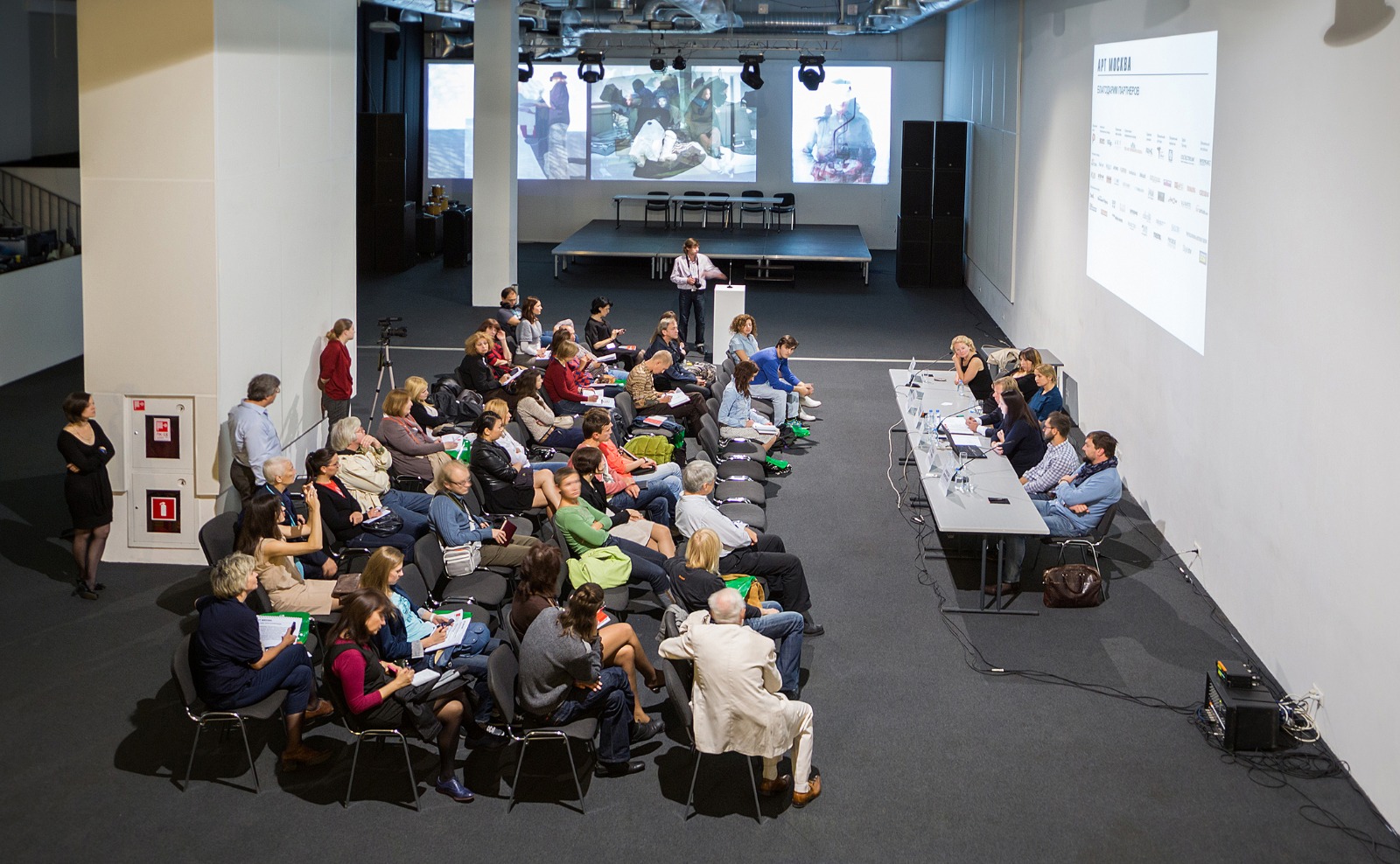
A permanent, tidy install. No frame on the wall, no cassette on the ceiling, no cables to a motor. In a meeting room or a showroom where the look matters, that clean wall reads better.
-
Durability. A painted surface cannot crease, sag or tear the way fabric can over years of use, and it can be cleaned in place.
-
Value at scale. For a school or an office rolling out many rooms, coating walls can work out more economical than buying and mounting a screen in each one.
The honest limit: the picture is only as good as the wall behind it. Which is the next point.
Getting a Good Result
The coating is the easy part. The wall is where projects succeed or fail.
The wall has to be smooth and flat
Any bump, roller mark, filler ridge or texture will show up in the projected image, because the surface is being lit and magnified. The wall needs to be skimmed smooth and flat before the coating goes on. This is the single biggest factor in the final result, and it is why a specialist application on a prepared substrate beats a DIY attempt on a rough wall.
Control the ambient light
No projection surface performs in a bright room. Singapore offices and homes often have large windows and strong daylight, so plan for blinds or curtains, and think about where downlights fall. A moderate-gain paint helps, but it cannot beat physics. Manage the light and the image looks far better.
Match the projector and throw
Set out the projector position, throw distance and image size before the wall is coated, so the painted area is the right size in the right place. Getting this agreed early avoids coating a wall that turns out to be too small or off-centre for the projector.
To plan a specific room, start from the smarter surfaces range and share the room size, projector and lighting so the surface is specified correctly.
Projector Paint or a Pull-Down Screen?
The quick way to decide.
Choose projector screen paint when the wall is permanent, you want a clean borderless look, the size is large or non-standard, or you are fitting out many rooms and want a tidy, durable result. Choose a fabric screen when you need the surface to disappear when it is not in use, when you cannot prepare the wall to a smooth finish, or when the projector or room layout changes often. Both are valid. The wall condition and how permanent the setup is usually settle it.
Frequently Asked Questions
Can I use normal white paint as a projector screen?
You can, but the result is noticeably worse. A purpose-made projection coating is engineered for even reflectance, controlled gain and a wide viewing angle. Ordinary emulsion has none of that tuned in, so contrast and brightness suffer.
Does projector screen paint work in a bright room?
Only up to a point. No projection surface, painted or fabric, looks good in strong ambient light. Plan for blinds or curtains in rooms with daylight. In a controlled-light room, a painted screen performs very well.
What kind of wall do I need?
A smooth, flat, well-prepared wall. Texture, roller marks and filler ridges all show up in the image once it is projected and magnified, so the wall is usually skimmed smooth before the coating is applied.
Is it suitable for a 4K or 8K projector?
Yes. The Smarter Surfaces coating is rated as 4K and 8K Ultra HD ready. As always, the wall preparation and room light matter as much as the resolution of the projector.
Can the painted screen be cleaned?
Yes. Because it is a coating bonded to the wall, it can be wiped and maintained in place, without the delicacy of a fabric screen surface.
Is it safe for offices and classrooms?
The coating is fire rated, low VOC, solvent-free and free of PFOA, PFOS and isocyanates, which suits commercial and education fit-outs. Confirm the specific requirements of your project with the supplier before specifying.